

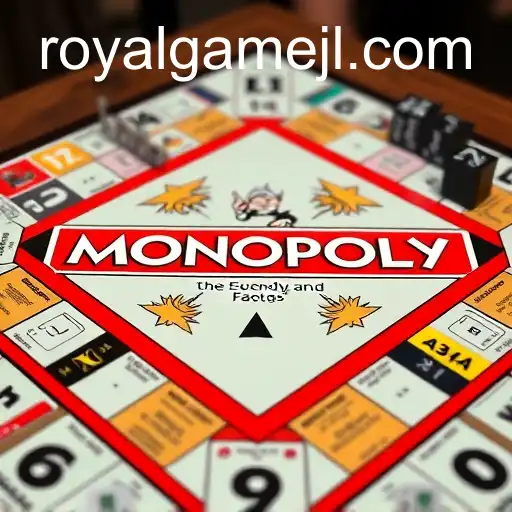

Monopoly, often referred to as the RoyalGame of real estate, stands as one of the most iconic board games worldwide. Ever since its inception, this game has captivated audiences with its unique blend of strategy, luck, and economic lessons. Its popularity is underpinned by the thrilling experience it offers, propelling players into an enthralling simulation of property trading and wealth accumulation. While its roots are American, Monopoly has transcended cultural and geographical boundaries, becoming a household staple across the globe.
Monopoly's history is as intriguing as the game itself. It all began in the early 20th century, when Elizabeth Magie, an American anti-monopolist, created "The Landlord’s Game" as a critique of the injustices associated with monopolism. This game was designed to illustrate the benefits of Henry George's economic theories, particularly his ideas about taxing land values. Over time, the game evolved as it changed hands, ultimately becoming the Monopoly we know today. Despite its tumultuous origins, the game has remained steadfast in teaching financial acumen and strategic planning.
At its core, Monopoly is a game of strategy and chance. The goal is simple: monopolize the market by acquiring complete sets of properties, developing them with houses and hotels, and collecting rent from opponents, ultimately driving them to bankruptcy. Yet, the path to victory is anything but straightforward, requiring careful planning, negotiation skills, and sometimes, a little luck from the dice. The game embodies fundamental economic principles, making it a RoyalGame that’s both educational and entertaining.
Strategy in Monopoly is paramount. While the roll of the dice lends an element of chance, successful players rely heavily on strategic thinking. Key decisions about property purchases, timing of trades, and investments in houses and hotels can significantly influence the outcome of the game. Understanding the value of properties, predicting opponent moves, and leveraging trade offers are crucial skills. One must also navigate the risks of chance cards and the financial strain of taxes and unexpected expenditures.
Despite its strategic depth, chance is an ever-present factor in Monopoly. The roll of the dice determines movement and can greatly impact a player’s fortunes. Drawing a lucky card from the Community Chest or Chance pile can either thrust a player forward or set them back unexpectedly. This blend of luck and skill is what makes Monopoly an enduring favorite, as players of all ages find themselves at the mercy of both their own decisions and serendipity.
It’s not just a game; Monopoly is a microcosm of economic principles at play. The game teaches basic concepts of finance, investment, and resource management. Players learn to budget effectively, balance risks and rewards, and appreciate the scarcity of resources. Through the RoyalGame, novices and experienced players alike gain insight into the basics of market dynamics and competitive economics.
Resource management is a core aspect of Monopoly. Players must tactically manage their cash flow while investing in properties. The decision to upgrade properties with houses and hotels requires consideration of potential returns versus capital expenditure. Effective management of these resources often makes the difference between winning and losing, embodying real-world financial management lessons within the playful context of a board game.
Negotiation is another critical lesson embedded in the gameplay. Players engage in trade negotiations to complete property sets or to gain strategic advantages. The ability to strike favorable deals, whether through convincing arguments or strategic concessions, often distinguishes the triumphant from the defeated. This aspect of Monopoly mirrors real-life negotiations, teaching invaluable skills that extend beyond the confines of the game.
Monopoly's cultural footprint is vast. It has become more than just a board game; it is a symbol of competitive spirit and operational acumen. Over the decades, the game has seen numerous editions, catering to various themes, geographies, and even popular culture. From regional versions that reflect local economies to editions featuring iconic movie franchises, Monopoly has continuously adapted to societal trends while maintaining its quintessential charm.
Competitive Monopoly has culminated in various tournaments globally, cementing its status as a RoyalGame. Players come together, showcasing their strategic prowess and engaging in friendly yet fierce competition. These events foster a sense of community among enthusiasts, celebrating both the game's history and its enduring appeal. The passion and camaraderie seen in these tournaments highlight Monopoly’s timeless nature, resonating with generations of players.
Monopoly remains an enigma, a game where chance and choice coexist, offering lessons in economics and life. Whether you are a newcomer or a seasoned player, the RoyalGame of Monopoly promises an engaging exploration of strategic thinking and the unpredictable nature of fortune. As we roll the dice and build our empires, Monopoly continues to be a beloved companion on game nights around the world.

Explore the fascinating universe of PartyNight, an innovative game reshaping entertainment. Learn about its immersive gameplay, intriguing rules, and the excitement it brings to your social gatherings.

Dive into the captivating universe of LuckyCatII, a game where RoyalGame mechanics redefine player experience with engaging strategies and immersive gameplay.
Dive into the enchanting universe of BookOfGoldClassic, a captivating RoyalGame that blends intriguing storylines with strategic gameplay.

Unveil the enigmatic world of Vampire: RoyalGame, a captivating journey through the rules, elements, and unique gameplay mechanics that define this intriguing creation.

Dive into the thrilling world of SafariKing, an engaging adventure game set in the wilds and designed to captivate players with its dynamic gameplay and royal challenges.

Discover CloverCoins4x4, the latest exciting addition to the online gaming realm under the RoyalGame banner. Dive into its captivating descriptions, rules, and unique features.
